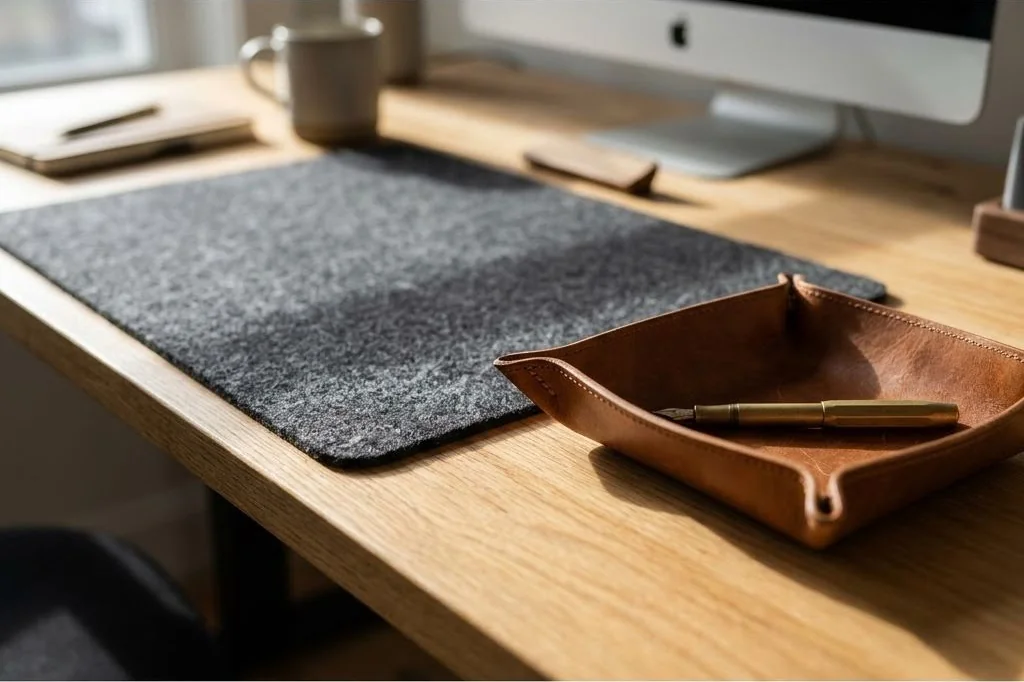
The modern workday is dominated by smooth glass screens, cold aluminum chassis, and injection-molded plastic keys. Over hours of keyboard interaction, this lack of textural variety produces sensory monotony. The human nervous system thrives on tactile complexity; our fingers are sensory organs designed to touch textured stone, fibrous wood, and woven fibers.
In a Scandinavian minimalist workspace, tactile desk accessories serve as sensory bridges that reintroduce organic warmth into high-tech environments. A dense wool felt desk mat or a supple leather blotter does not just protect the wooden desk surface; it transforms how the workspace feels to the touch. To discover more about curating tactile, intentional domestic spaces, review our design ethos on the Ornista curated home design portal.
Key Takeaways
- Tactile desktop materials create sensory anchors that soften modern digital technology.
- Dense merino wool felt provides acoustic dampening, optical warmth, and smooth mouse glide.
- Vegetable-tanned bridle leather develops a personal patina over years of dedicated use.
- Mat dimensions should span 31 to 36 inches in width to frame keyboard and mouse zones cohesively.
- Ceramic catchalls and solid brass pen rests eliminate scattered desktop micro-clutter.
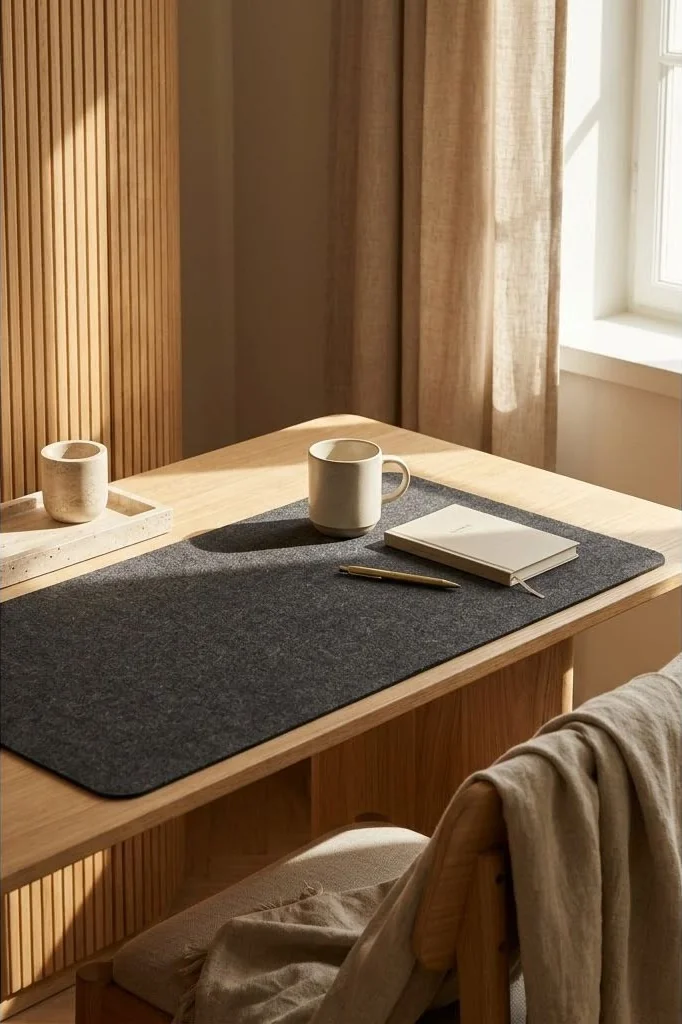
Merino Wool Felt: Acoustic Softness and Thermal Warmth
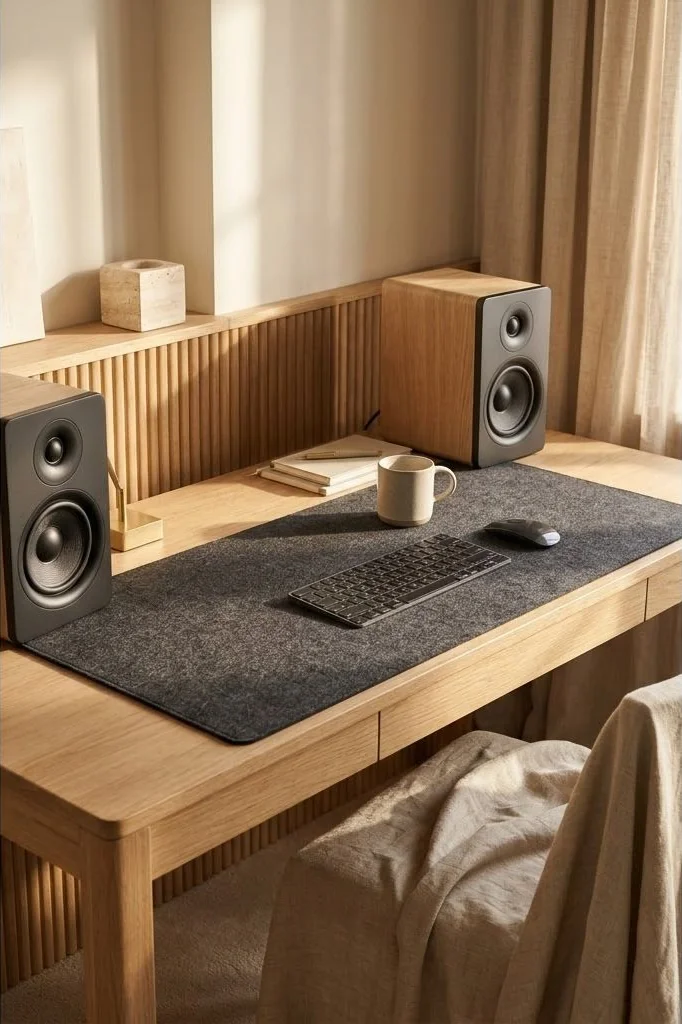
Natural wool felt has emerged as the defining textile of Nordic home workspaces. Unlike synthetic polyester craft felt, genuine merino wool felt is fabricated by compressing sheared sheep wool fibers under heat, steam, and mechanical pressure. This produces a dense, non-woven fabric with exceptional structural integrity.
Wool felt delivers three critical benefits to a desk setup:
1. Thermal Comfort: Solid timber and metal laptop bodies can feel chilly on winter mornings. Resting wrists upon a soft, insulating wool pad provides immediate physical comfort.
2. Acoustic Dampening: Clattering mechanical keyboards and clicking mouse switches can create distracting echoes in minimalist rooms with hard flooring. Wool felt absorbs high-frequency vibrations, mellowing acoustic resonance into a satisfying, muted thud.
3. Optical Diffusivity: The matte fibrous texture of heather grey or charcoal wool absorbs harsh reflections from overhead task lamps, grounding the keyboard zone in soothing visual softness.
Vegetable-Tanned Bridle Leather: The Beauty of Patina
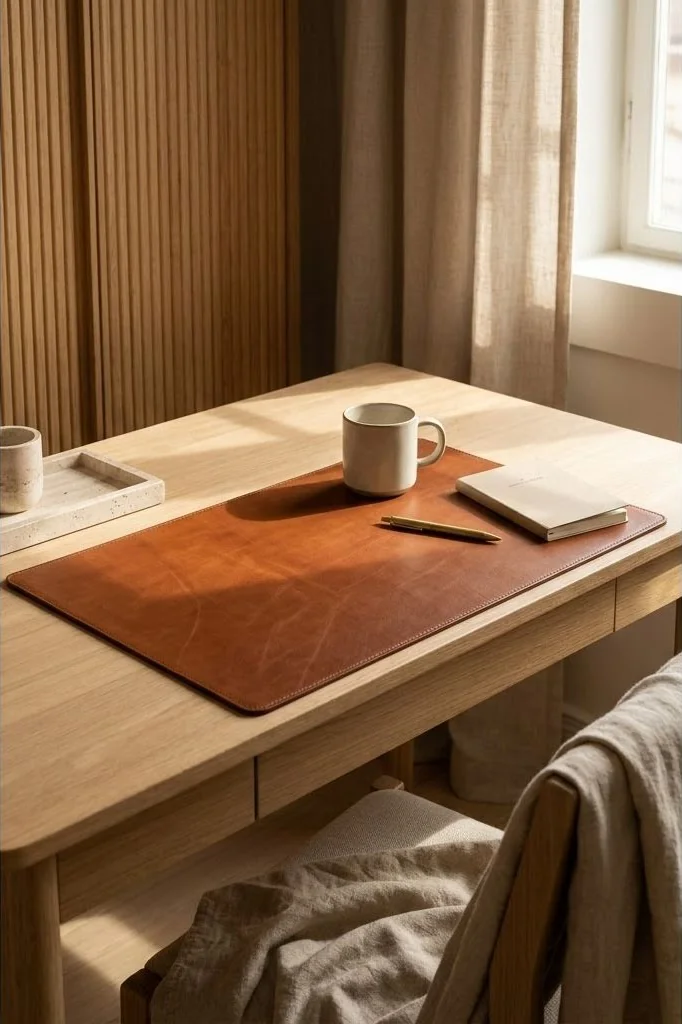
For those who prefer a firmer writing surface and richer architectural contrast, vegetable-tanned bridle leather represents the pinnacle of tactile craftsmanship. Tanned slowly over months in natural bark tannins, bridle leather possesses a dense, smooth grain and a subtle waxy fragrance.
Unlike plastic-coated synthetic leathers that peel and crack over time, full-grain vegetable-tanned leather absorbs the natural oils from your hands, developing a radiant, individual patina. Minor scuffs and scratches buff out with a horsehair brush, turning everyday signs of use into character marks. When paired with a pale white oak desk, a rich cognac or chestnut leather mat establishes a striking visual dialogue. For wood care tips that complement leather accessories, consult our guide on solid wood desk maintenance care.
Calibrating Desk Mat Proportions and Spatial Zones
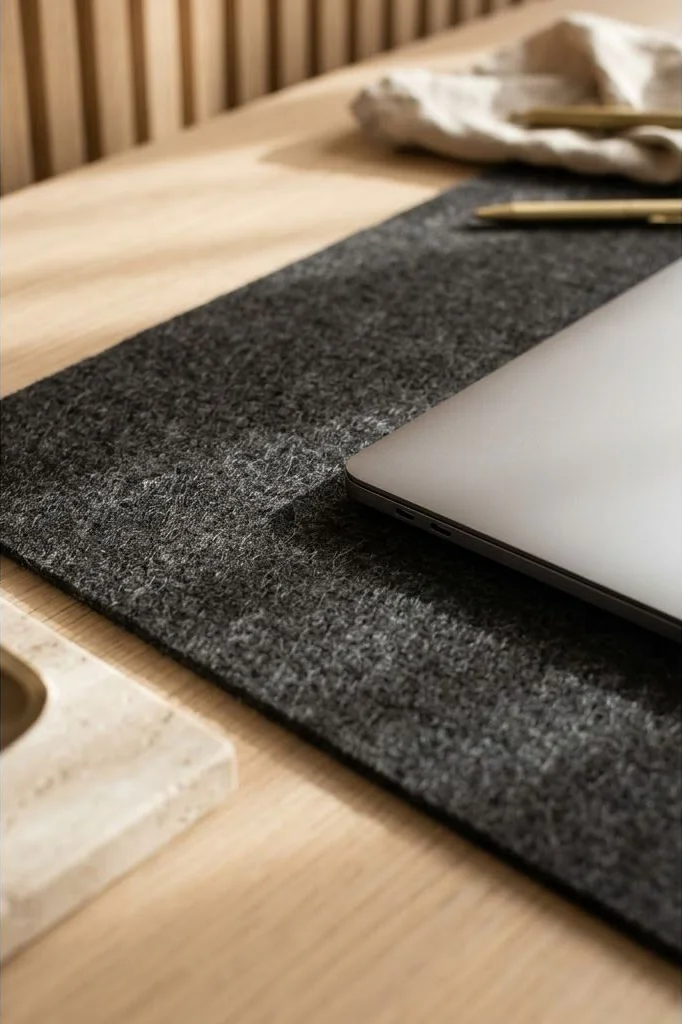
A desk mat should delineate an intentional zone of focus without crowding desktop perimeter boundaries. Selecting an undersized pad that barely holds a keyboard looks like an afterthought, while an oversized mat that covers ninety percent of the desk suffocates the natural wood grain.
For a standard 60-inch desktop, an ideal mat width ranges between 31 and 36 inches with a depth of 12 to 16 inches. This footprint comfortably accommodates a full-sized mechanical keyboard, a wrist rest, and an expansive mouse roaming zone, while leaving twelve to fifteen inches of open timber surface on either side for notebooks, ceramics, and ambient lighting.
Curating Desk Organizers: Ceramics, Stone, and Brass
Surrounding your desk mat, secondary accessories must adhere to the same tactile integrity. Eliminate plastic organizer trays and disposable pen cups in favor of enduring artisanal materials:
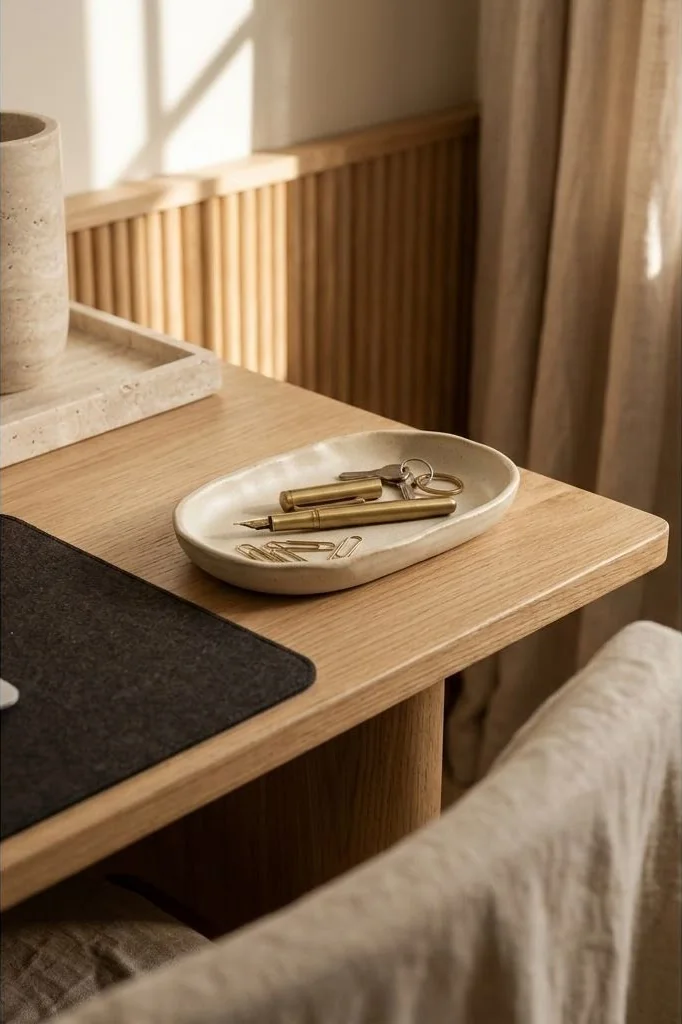
Hand-Thrown Ceramic Catchalls: A shallow stoneware dish with a raw exterior and matte glazed interior serves as an organic holding spot for USB flash drives, paper clips, and keys.
Solid Cast Brass Pen Rests: A minimalist machined brass groove cradles your primary fountain pen, echoing the warm golden highlights of natural timber grain.
To integrate these elements within a cohesive vertical structure, explore our recommendations on Scandinavian desk shelf organization.
Daily Care Protocols for Natural Materials
Maintaining natural wool and leather accessories requires simple, mindful routines. Wool felt naturally repels dust and moisture due to residual lanolin. A light weekly brushing with a soft clothes brush removes lint and biscuit crumbs, while accidental tea spills should be blotted immediately with an absorbent cotton towel without aggressive rubbing.
Leather mats benefit from an annual application of beeswax leather balm to replenish moisture and preserve grain flexibility. As highlighted in material craftsmanship articles by Architectural Digest, investing in natural materials that age gracefully connects daily work with timeless craftsmanship.
Core Spatial Principles for Nordic Workspaces
To ensure your workspace layout retains its serene balance through evolving seasons and technology updates, anchor your setup around three timeless architectural guidelines:
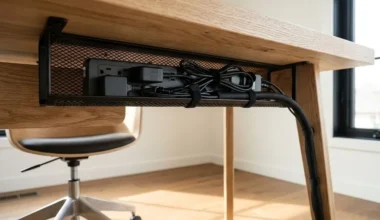
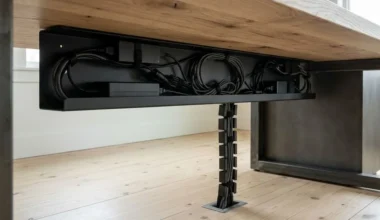
First, maintain visual lightness by preserving negative space. Resist the urge to fill every square inch of your desktop with gadgets or decorative items; bare wood surface is itself a restorative visual rest for tired eyes. Second, establish consistent material dialogue throughout the room. If your desk features white oak, echo that pale grain in picture frames, floating bookshelves, or flooring trims. Third, hide technical friction completely: ensure that all power distribution, charging cables, and peripheral transformers remain entirely invisible from normal standing and seated sightlines.
Cultivating Enduring Harmony in Intentional Workspaces
Creating an inspiring Scandinavian workspace is not a fleeting weekend project or an exercise in surface styling. It represents a deeper architectural dialogue between physical form, natural textures, and the mental rhythms of daily work. When you eliminate chaotic cable nests and replace synthetic surfaces with honest, living timber, the entire emotional resonance of the room transforms.
Each morning becomes an opportunity to step into an environment specifically engineered to protect mental clarity and nurture deep creative immersion. By investing care into fine details – from tactile wood grains and recessed cable trays to balanced 2700K ambient illumination – you build an enduring sanctuary that honors both personal wellbeing and professional craft.
Frequently Asked Questions
Does an optical mouse track smoothly on a natural wool felt desk pad?
Yes, dense industrial-grade merino wool felt (3mm to 5mm thickness) provides reliable optical tracking without jitter for everyday office and design workflows.
How do you clean coffee or tea spills from a natural wool desk mat?
Because natural wool contains lanolin, liquids bead temporarily on the surface; blot immediately with a clean cotton cloth and rinse gently with cool water.
What is the difference between chrome-tanned and vegetable-tanned leather?
Vegetable-tanned leather uses organic tree barks and plant tannins, resulting in a firm, rich grain that ages beautifully with a rich amber patina over time.
Can a wool felt pad slide around on a smooth oiled wood desktop?
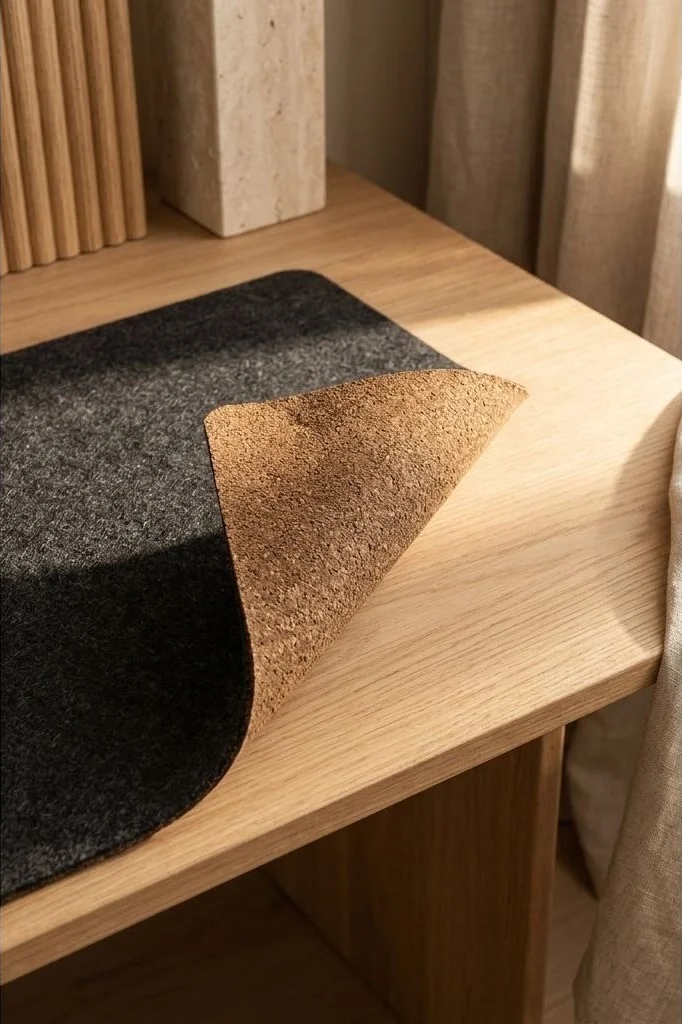
Choose desk pads featuring natural cork, silicone micro-dots, or genuine suede backing to guarantee non-slip stability on polished timber surfaces.