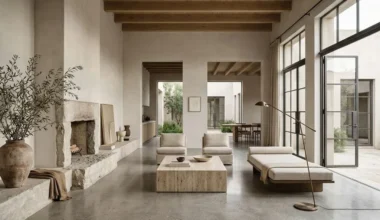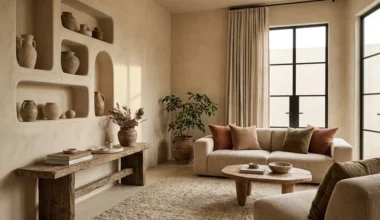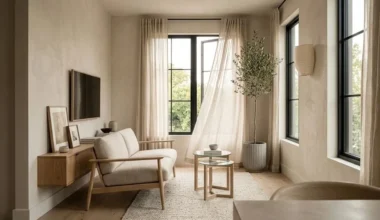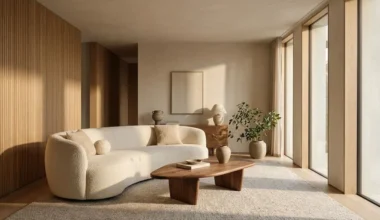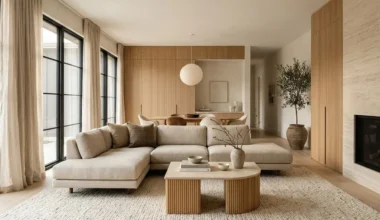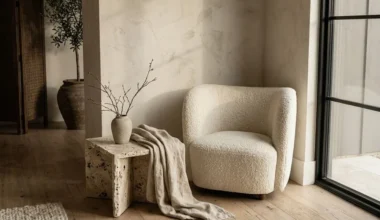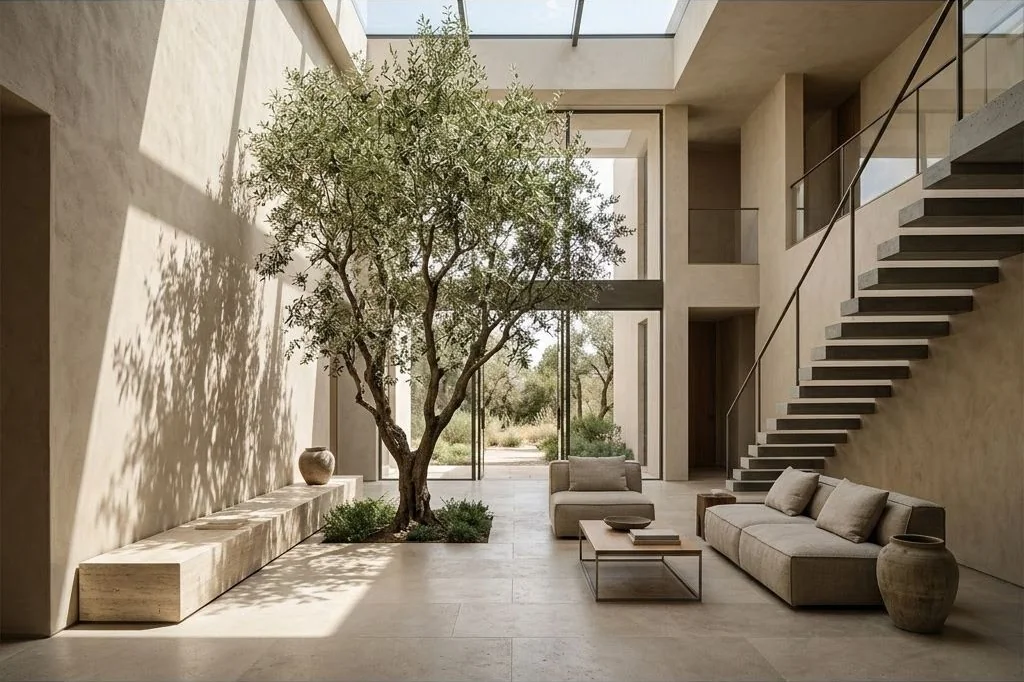
Modern human beings spend over ninety percent of their lives enclosed within artificial indoor environments. Sealed behind insulated double glazing and illuminated by synthetic LED screens, our homes frequently alienate us from the natural rhythms that have sustained human biology for millennia. Biophilic living room architecture indoor trees represents an intentional rebellion against this indoor isolation. Rather than settling for small potted succulents scattered on bookshelves, progressive architects are integrating full-scale specimen trees directly into residential living envelopes.
Incorporating a mature indoor tree is not merely a styling gesture; it is an architectural commitment to living in communion with nature. A living tree introduces organic verticality, purifies indoor air, and projects mesmerizing dappled leaf shadows across minimalist plaster walls. When positioned intentionally within an open living room, a specimen tree becomes the beating spiritual heart of the home. For broader inspiration on nature-connected residential sanctuaries, explore the Ornista design archive.
Key Takeaways
Essential architectural considerations for integrating specimen trees indoors:
- Select tree species tailored to indoor microclimates – such as Bucida buceras, Ficus Audrey, or mature dwarf olives.
- Integrate flush, sunken architectural floor planters to eliminate bulky plastic pots and erase indoor-outdoor boundaries.
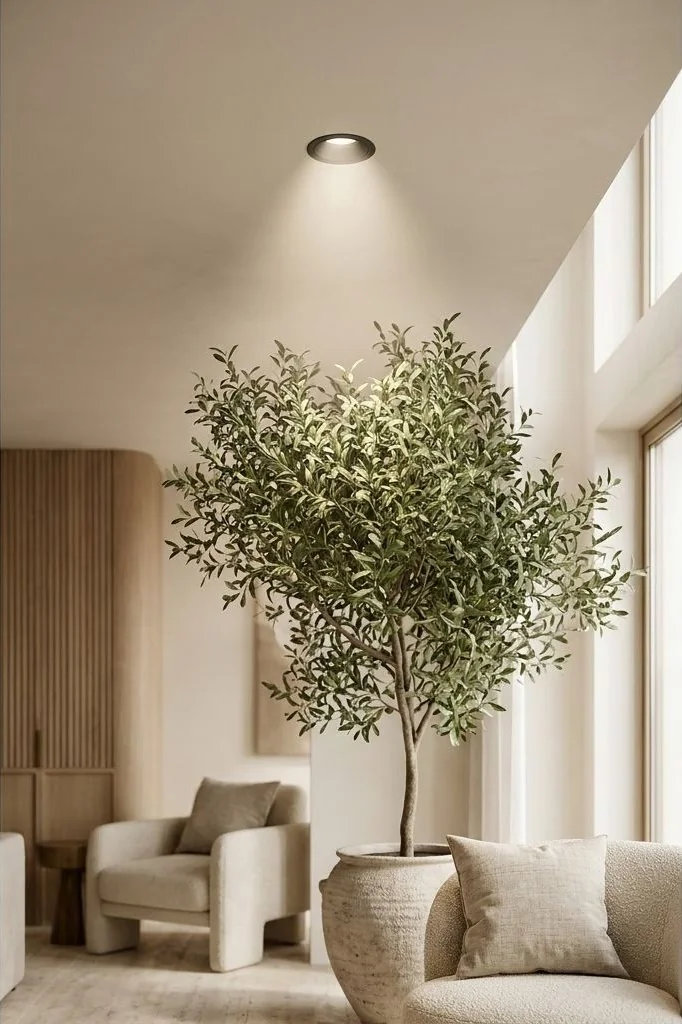
- Position trees beneath natural roof skylights or supplement with warm, high-CRI architectural grow lights.
- Engineer subfloor drainage with waterproofing membranes, gravel aggregate beds, and moisture sensor probes.
- Arrange conversational seating around the tree canopy to harness the proven stress-reducing benefits of biophilia.
Selecting the Right Indoor Specimen Tree
Not all tree species can survive the environmental rigors of residential living. Indoor air is typically characterized by low ambient humidity, reduced air circulation, and filtered indirect daylight. Choosing the wrong tree leads to rapid leaf drop, pest infestations, and eventual decline.
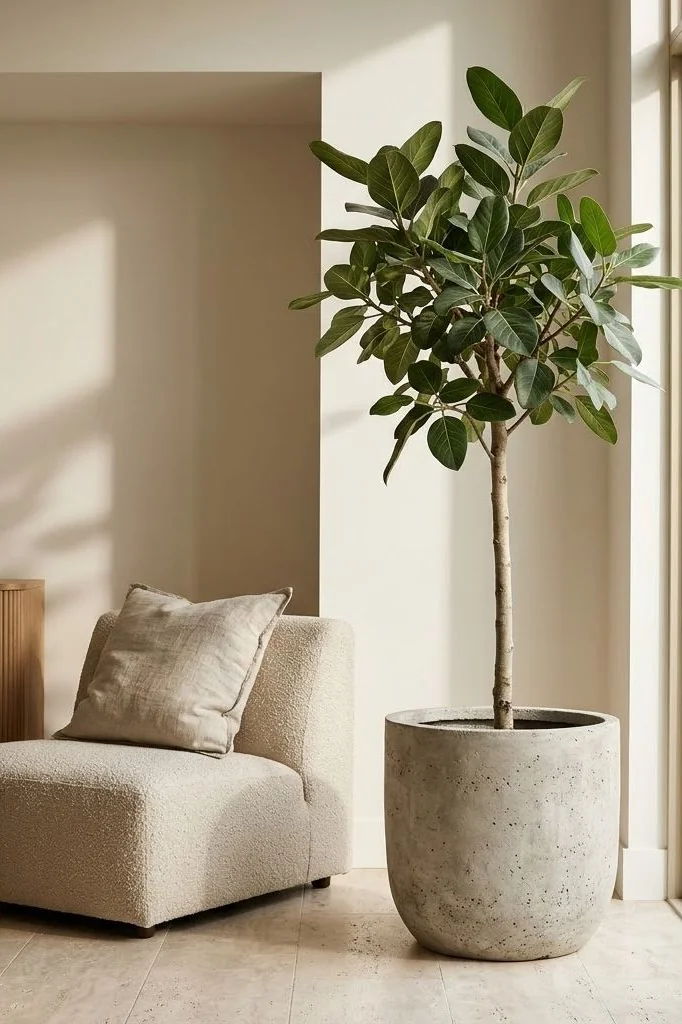
The Shady Lady Black Olive (Bucida buceras) has emerged as the premier architectural tree for luxury interiors, renowned for its tiered, horizontal branching habit and delicate, cloud-like foliage that casts ethereal shadows. Ficus Audrey (Ficus benghalensis) offers velvety emerald leaves and striking pale birch-like bark, offering greater resilience and fewer temperamental leaf drops than the common fiddle-leaf fig. For sun-drenched pavilions, mature olive trees (Olea europaea) introduce silvery Mediterranean poetry and ancient sculptural trunks.
Architectural Planter Integration and Drainage Engineering
Placing an eight-foot specimen tree in a cheap plastic nursery pot ruins the architectural integrity of a modern home. To refine the installation, consider built-in floor planters integrated flush with the limestone or oak flooring.
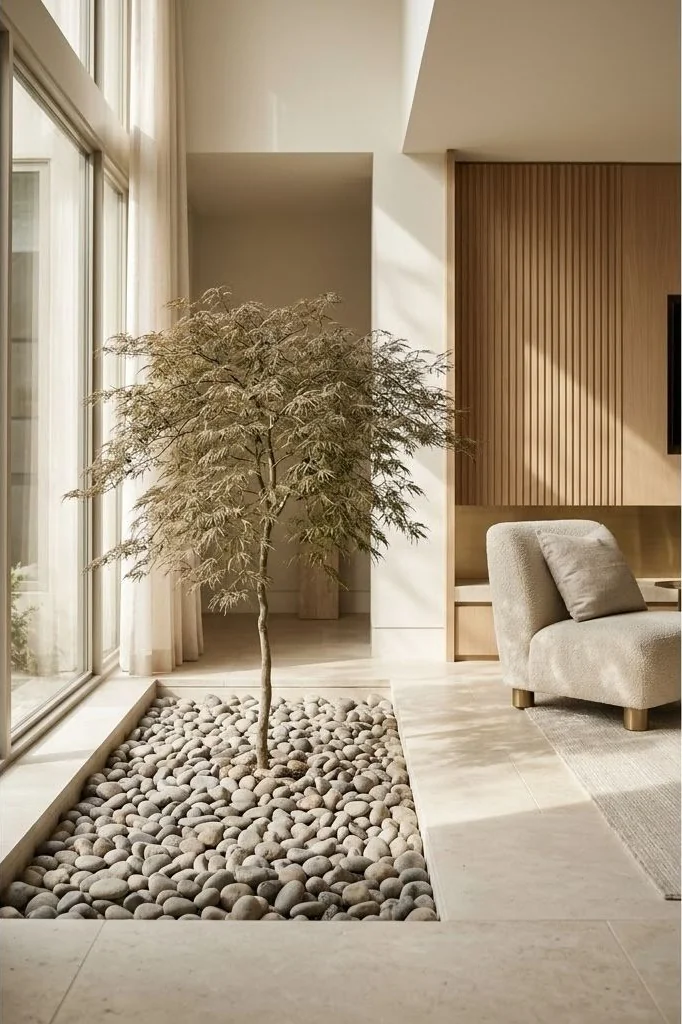
A sunken architectural planter is constructed by framing a recessed concrete well within the subfloor, waterproofing it with heavy elastomeric membranes, and installing a gravel drainage bed equipped with moisture-sensor probes. If structural subfloor alterations are impractical, select massive monolithic planters made from honed Roman travertine, raw unglazed earthenware, or cast fiber-reinforced concrete. Discover how to pair stone planters with surrounding decor in our guide on travertine and natural stone living room accents.
Choreographing Light: Skylights and Hidden Botanical Spectrum Luminaires
Light is the currency of botanical life. A magnificent specimen tree starved of light will slowly deteriorate. When designing the living room architecture, prioritize natural light delivery by positioning the tree directly beneath an operable glass skylight or an expansive light well.
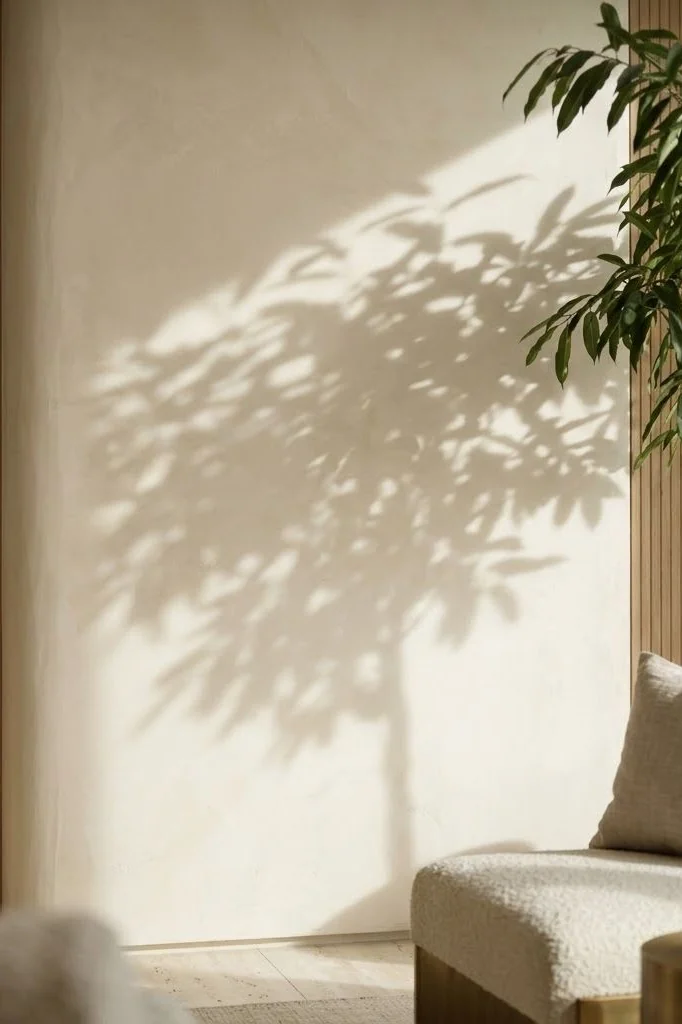
In residential areas where natural overhead light is limited, specify architectural LED grow lights. Modern horticultural lighting has evolved far beyond the harsh pink-purple diodes of commercial greenhouses. Premium manufacturers now produce recessed ceiling spotlights that emit clean, warm white light (3000K, 95+ CRI) while delivering the exact Photosynthetically Active Radiation (PAR) wavelengths required for healthy indoor foliage. To align botanical lighting with room fixtures, see our guide on organic modern living room lighting principles.
Photosynthetically Active Radiation and High-Performance Architectural Glazing
Modern energy codes mandate high-performance Low-E (low emissivity) coatings on exterior window panes to minimize heat gain and protect interiors from ultraviolet degradation. However, certain heavy solar-control films filter out critical wavelengths in the blue and red light spectrum that indoor trees need for photosynthesis.
When engineering an architectural living space that houses mature specimen flora, architects must collaborate with fenestration engineers to specify spectral-selective glazing. These specialized glass assemblies reflect infrared thermal energy while permitting high Visible Light Transmittance (VLT > 70%) and essential photosynthetic wavelengths to penetrate. This ensures your specimen tree thrives year-round while keeping the living room thermally comfortable and energy-efficient.
Conversational Seating Under the Living Canopy
A specimen tree should not be relegated to an unappreciated corner. Instead, design the primary conversational lounge around the botanical anchor. Position a curved bouclé sofa or a low-slung linen sectional so that its perimeter embraces the base of the planter.
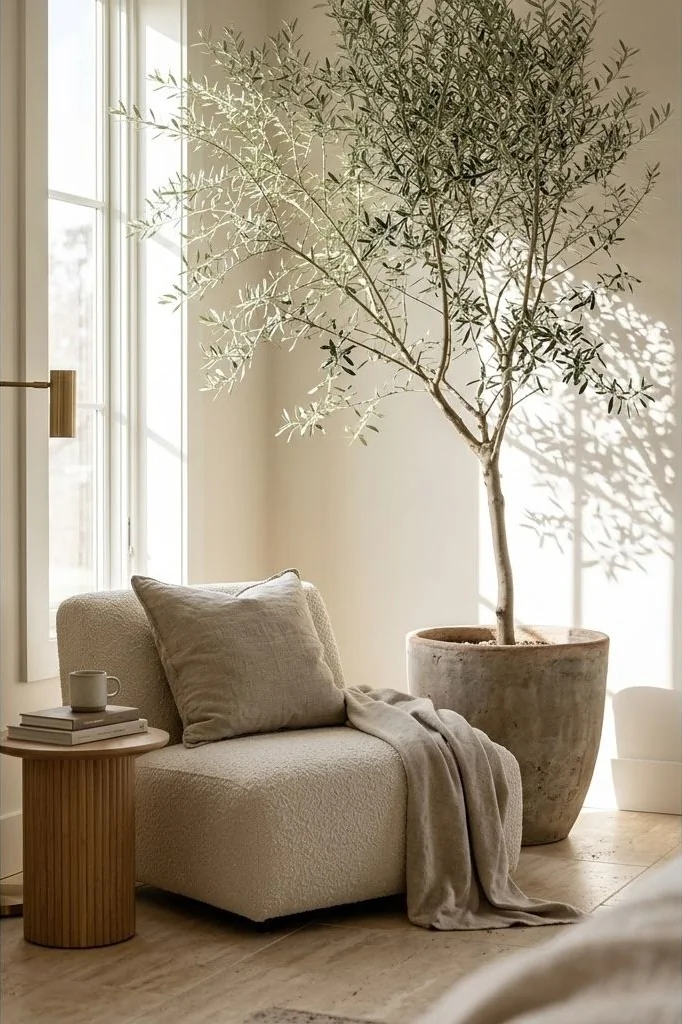
Sitting beneath the leafy canopy of a living tree evokes the ancestral psychological security of the savanna: open views forward with sheltering protection overhead. As occupants converse, dappled leaf shadows sway across the floor, reconnecting everyday domestic life with the peaceful rhythms of the outdoors. For seating arrangement strategies, consult our analysis of curved furniture in living room architecture.
Root Aeration, Sub-Irrigation Wells, and Soil Substrates
The root system of a mature tree requires an optimal balance of hydration and oxygen. Heavy, dense potting soils easily become anaerobic in indoor environments, leading to root rot and foul odors. Professional interior arboriculture relies on engineered soil-less substrates.
A balanced mineral substrate – incorporating pumice aggregate, expanded clay pebbles, zeolite, and pine bark mulch – ensures rapid water drainage and continuous root aeration. Integrating sub-irrigation capillary mats and concealed vertical watering pipes allows moisture to be delivered directly to the root zone without wetting the surface layer, completely eliminating the risk of fungus gnats in the living room.
Material Dialogues: Pairing Living Flora with Raw Plaster
Living plants achieve their most breathtaking architectural expression when contrasted against honest mineral surfaces. Position a specimen tree against a backdrop of velvety lime plaster walls, wire-brushed white oak cabinetry, and monolithic stone plinths.
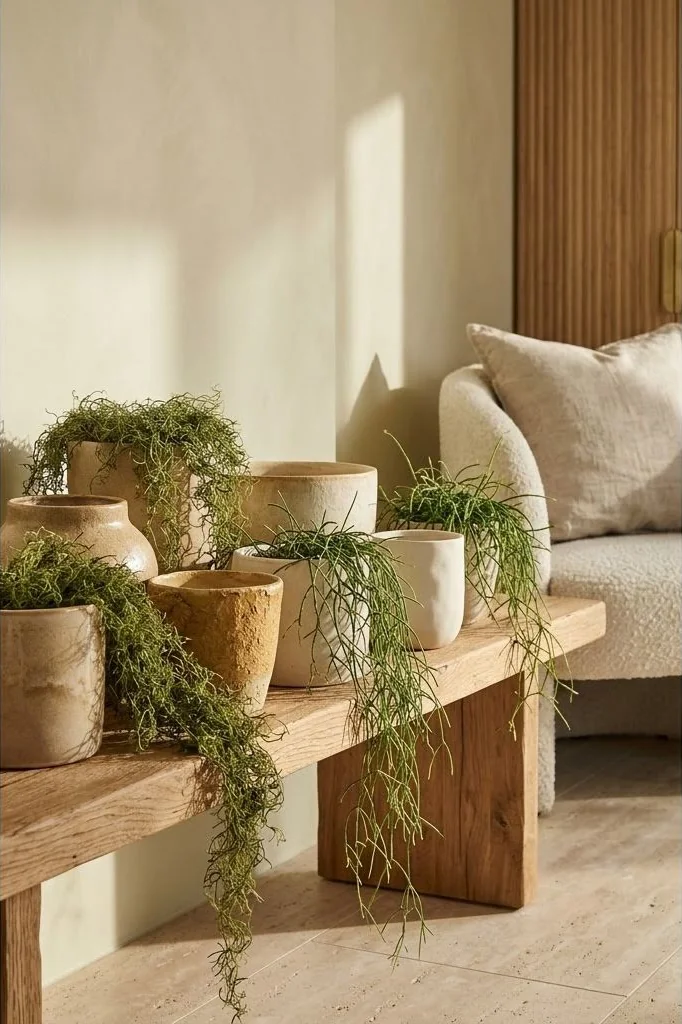
The vivid organic green of the canopy enlivens the calm neutral plaster, while the chalky texture of the wall provides an ideal canvas for the tree’s moving shadows. As biophilic architecture reviews in Dezeen emphasize, uniting mineral earth materials with living botanical life creates living spaces that feel vibrant, restorative, and grounded.
Integrating indoor trees into living room architecture transforms residential spaces into thriving, restorative sanctuaries. By honoring humanity’s ancient bond with nature, biophilic architecture turns domestic living into a daily celebration of life.
Frequently Asked Questions
What indoor tree species thrive best in low to moderate residential light?
Ficus Audrey, Olive trees (Olea europaea), Shady Lady Black Olive (Bucida buceras), and Pleomele reflexa excel in architectural interiors with adequate natural light.
How do you engineer drainage for a sunken indoor architectural planter?
Install a multi-layer drainage bed featuring gravel aggregate, geotextile fabric, waterproof elastomeric membranes, and integrated subfloor siphon drainage tubes.
Can architectural grow lights sustain indoor specimen trees in darker rooms?
Yes. Recessed ceiling luminaires fitted with high-CRI, full-spectrum 3000K LED grow bulbs provide the necessary PAR light spectrum without looking like purple commercial grow lights.
What are the proven psychological benefits of biophilic interior design?
Research demonstrates that exposure to natural living plants reduces heart rate, lowers blood cortisol levels, improves cognitive focus, and supports emotional well-being.