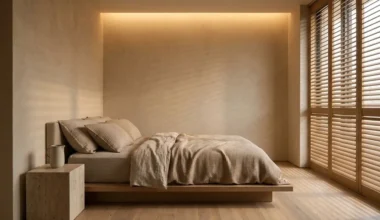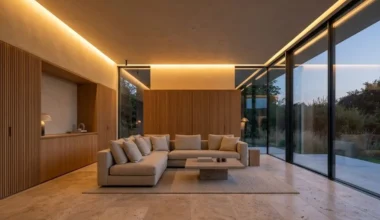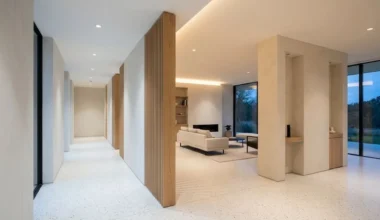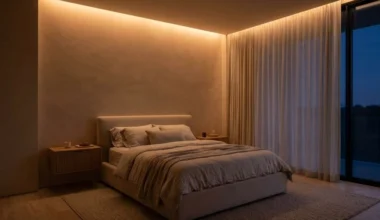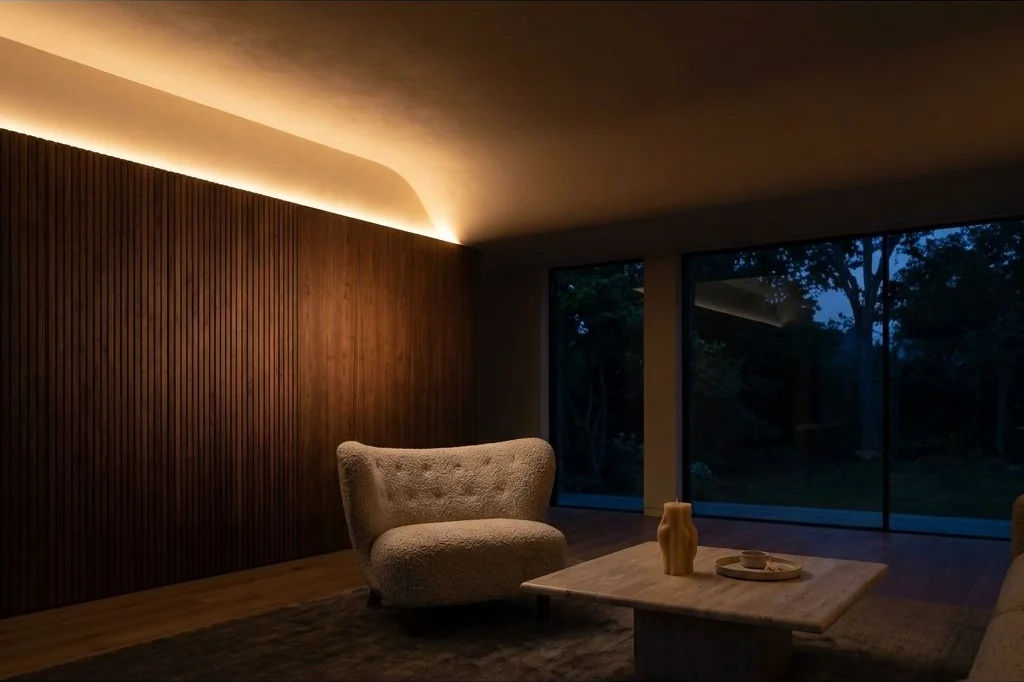
Evening in the modern home should signal an unhurried retreat from cognitive exertion. Too often, however, living spaces remain illuminated by harsh, point-source downlights that beam blinding conical glare into tired eyes. High-contrast illumination keeps the central nervous system in a state of high alert long after the workday has ended. Designing around indirect cove lighting transforms ceilings and textured architectural surfaces into gentle luminous blankets, washing living spaces in soft, warm-spectrum light that fosters profound physical and psychological relaxation. Discover intentional living inspirations at the Ornista curated home sanctuaries studio.
Key Takeaways
Essential strategies for mastering indirect cove lighting and evening wind-down automation:
- Indirect ceiling coves reflect light off matte plaster planes, eliminating direct diode visibility and high-contrast glare hot spots.
- Automated evening wind-down schedules step down color temperatures from 2700K to 2000K while lowering ambient lux levels.
- Layering coves with low-level valances, toe-kicks, and accent table lamps creates rich spatial depth without overhead glare.
- Precision knife-edge aluminum extrusions ensure razor-sharp architectural shadow lines and seamless integration with gypsum ceilings.
- Coupling indirect lighting with organic materials – bouclé, honed travertine, and raw oak – amplifies tactile comfort and acoustic calm.
The Geometry and Optics of Indirect Illumination
The human eye experiences discomfort glare when a small, intense light source is viewed against a darker background. Standard recessed ceiling pots exhibit high luminance ratios that force eye muscles to contract constantly. Indirect architectural lighting resolves this optical tension by hiding the actual light source from direct sightlines, relying on secondary surfaces to distribute illumination, as explored in cove lighting architectural design principles.
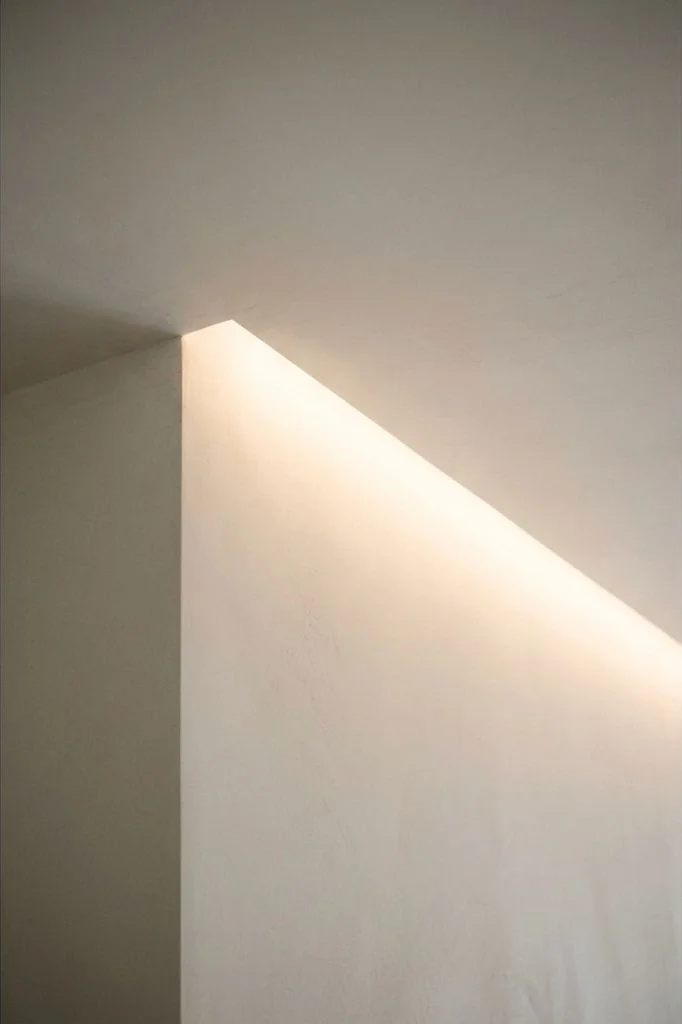
When high-density LED tapes are positioned inside ceiling coves, light bounces upward against flat matte ceiling plaster. The ceiling becomes an expansive, low-brightness secondary emitter that diffuses photons evenly throughout the room volume. Because there are no visible light diodes or concentrated hot spots, shadows become soft and velvety, resting the ocular nervous system and fostering an immediate sense of shelter.
Architectural Knife-Edge Detailing and Extrusions
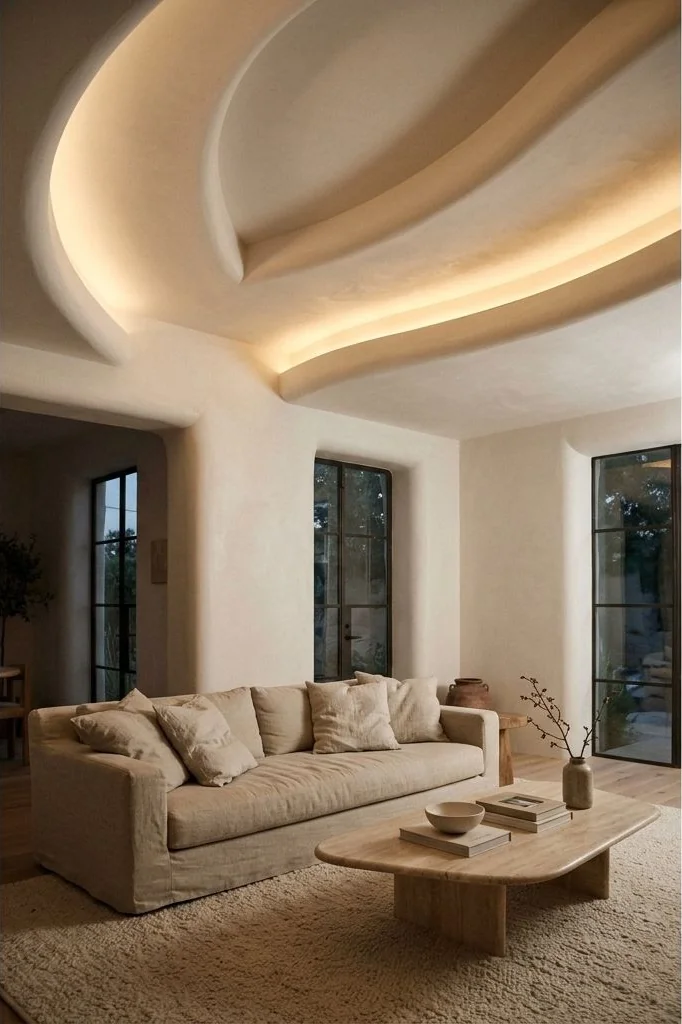
The architectural execution of a ceiling cove determines whether the feature looks integrated or clumsy. Traditional crown-molding coves often suffer from irregular light leaks, visible dust collection, and jagged cutoff lines. Contemporary high-end spaces utilize precision drywall knife-edge aluminum extrusions.
Plaster-in extruded aluminum profiles create an ultra-slim perimeter reveal, often less than one inch thick, where drywall tape feathers smoothly into the metal lip. The interior channel is painted ultra-flat reflective white to maximize light distribution, with the LED strip tilted at a thirty-degree angle toward the ceiling center. This geometry delivers an unbroken gradient of illumination that fades gradually into the room center without sharp cutoff artifacts.
The Multi-Tiered Evening Layering Strategy
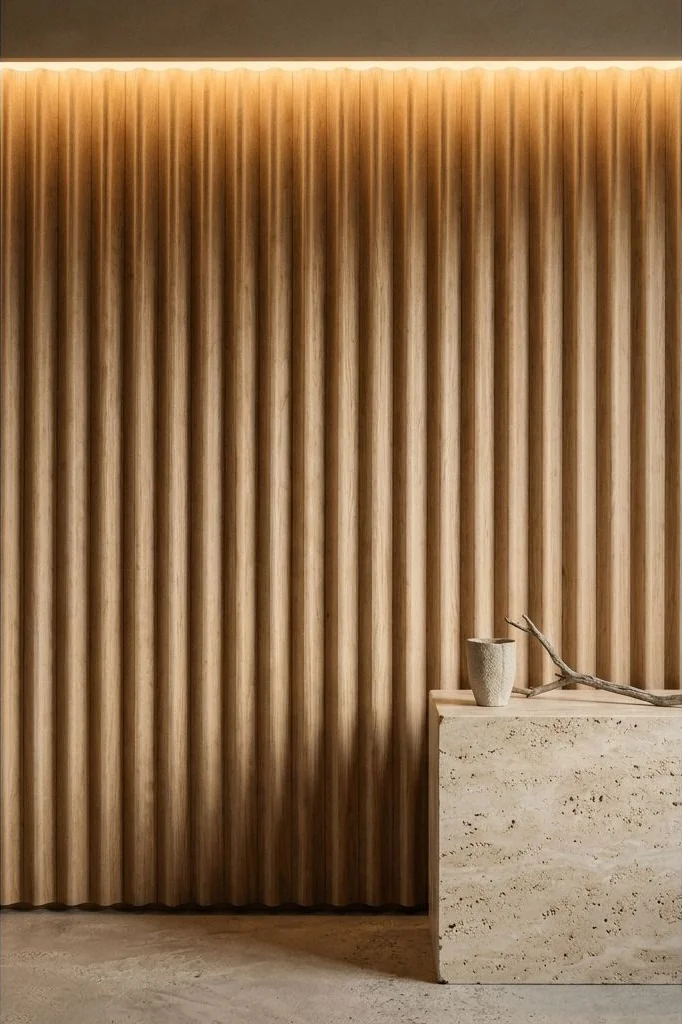
While an ambient ceiling cove provides soft overall illumination, relying solely on overhead light can leave rooms feeling visually flat. Achieving true spatial warmth requires a multi-tiered layering approach that distributes light sources across varying vertical heights.
Combine upper ceiling coves with mid-level illumination: ceramic table lamps with linen shades, sculptural plaster wall sconces that cast bidirectional fans of light, and discreet under-shelf lighting within built-in oak bookcases. In the evening, dim the ceiling cove to fifteen percent while maintaining mid-level lamps at comfortable reading levels. This vertical variation adds architectural depth, drawing focus to cozy seating vignettes while letting the outer perimeter dissolve into calming shadow. To complement evening calm with thoughtful personal systems, consult our guide to evening digital sunsets and intentional detachment.
Grounding the Space with Low-Level Toe-Kick Illumination
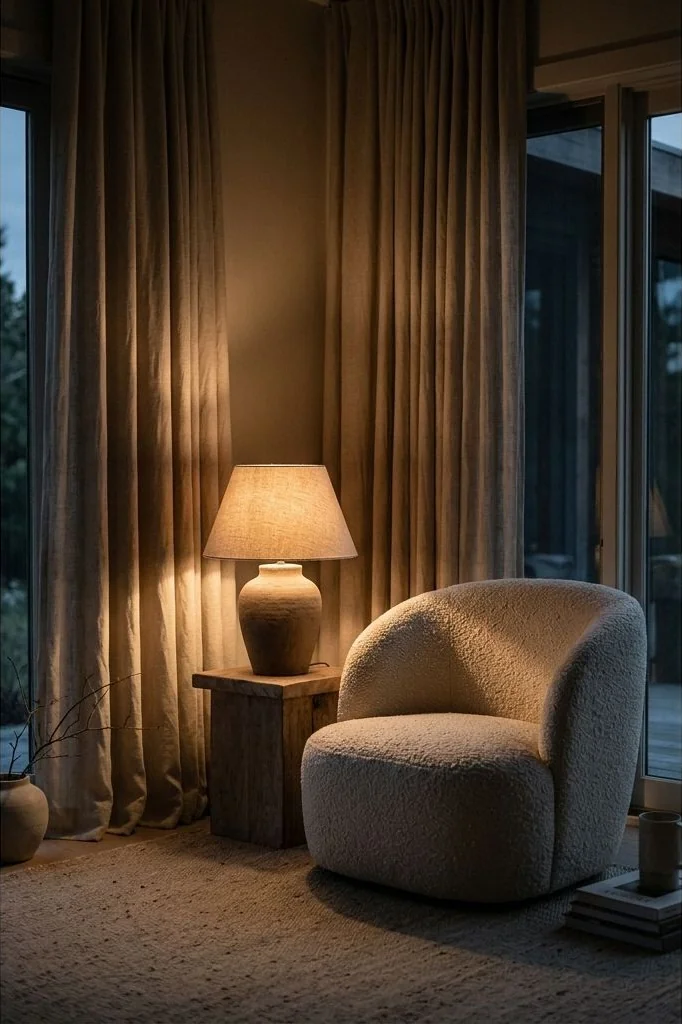
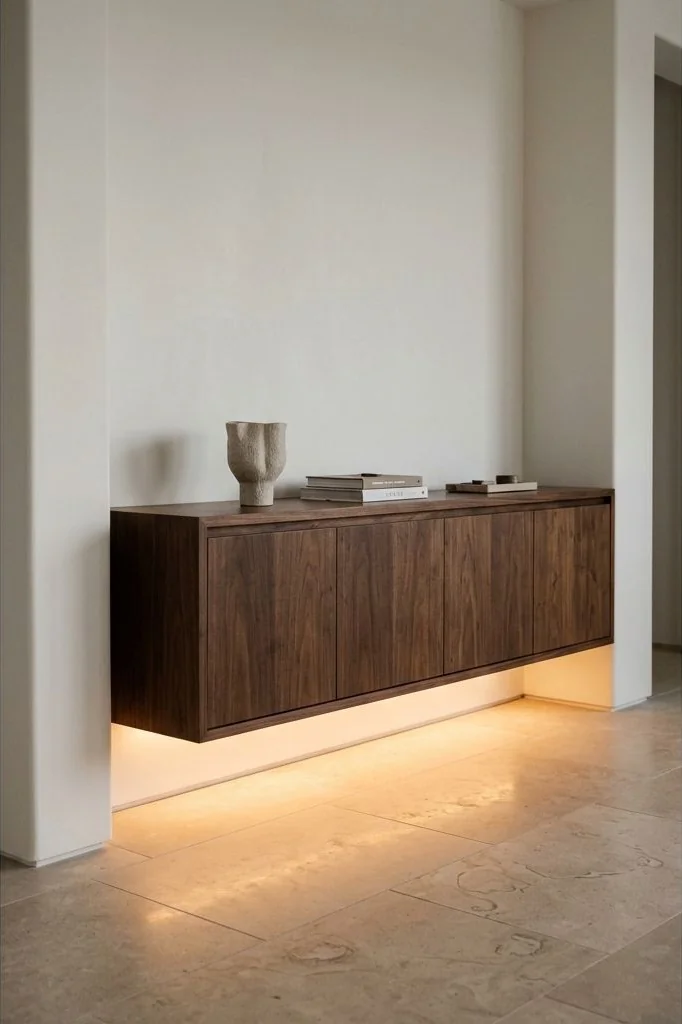
The lowest tier of an architectural lighting scheme operates near the floor. Floating credenzas, cantilevered hearths, and kitchen island toe-kicks provide ideal concealment pockets for low-output linear LED ribbons.
As evening deepens into night, the automated wind-down routine gradually deactivates mid-level lamps, leaving only the toe-kick channels glowing at five percent intensity with 1800K light. This floor-skimming glow delineates physical pathways, illuminates natural stone or hardwood grain, and imparts a weightless, floating quality to heavy architectural millwork. Because the light source resides entirely below the human line of sight, it produces zero ocular strain.
Harmonizing Warm Spectrum Light with Natural Textures
Indirect lighting behaves symbiotically with interior surface finishes. Polished gloss surfaces reflect ugly diode mirror images, completely shattering the illusion of seamless architectural illumination. Discerning residential designs balance indirect coves with matte, highly tactile materials.
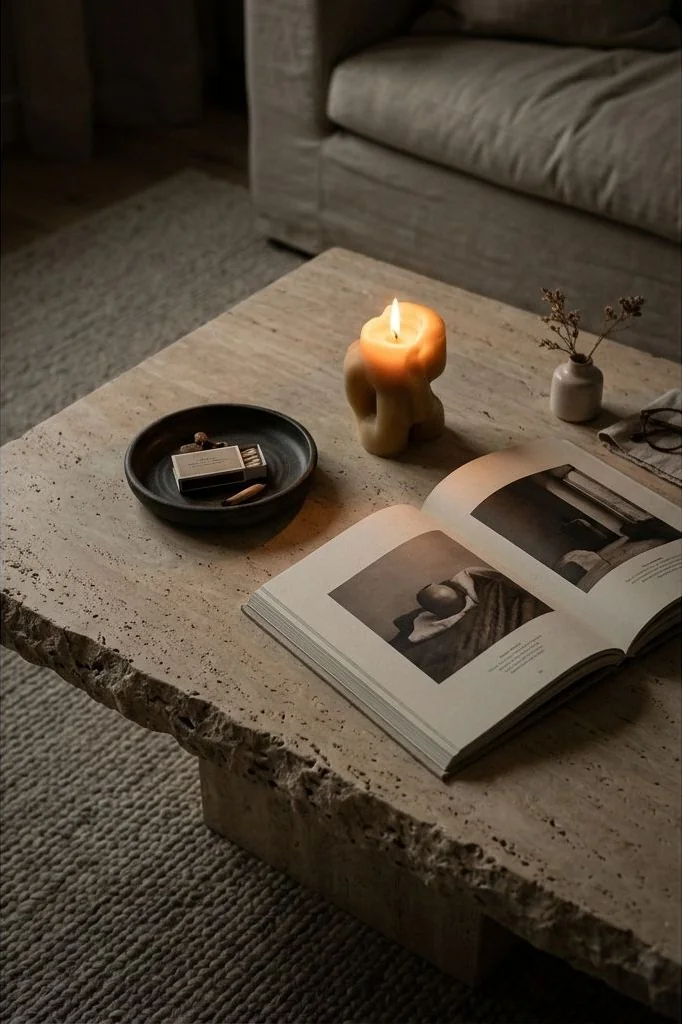
Apply limewash or Roman clay to walls and ceilings. The microscopic mineral irregularities in natural plaster capture indirect rays at glancing angles, producing a velvety textural softness that warms the entire room. Furnish with textured bouclé textiles, fluted oak paneling, and honed travertine coffee tables that ground the space with organic substance. For strategies on curating durable and tactile home environments, explore our perspectives on transitional layering and timeless material palettes.
Automating the Four-Stage Evening Transition
Achieving effortless wind-down living requires automating transitions rather than manually fumbling with individual dimmer switches throughout the house. Program smart home lighting scenes into four distinct evening stages triggered by solar sunset times.
Stage one triggers forty-five minutes before sunset: perimeter coves activate at 2700K to gently soften incoming twilight shadows. Stage two initiates at full sunset: downlights turn off, while coves and decorative lamps settle into a 2400K relaxed conversation mode. Stage three triggers two hours before bedtime: coves drop to 2000K at twenty percent output, shifting the domestic mood toward quiet reading and introspection. Finally, stage four engages at bedtime: all overhead illumination ceases, preserving only the low-level 1800K pathfinding ribbon until sunrise.
Frequently Asked Questions
How do I prevent individual LED dots from reflecting on shiny ceilings?
Use high-density LED strips with at least 120 diodes per meter or continuous COB (Chip-on-Board) strips, housed in aluminum channels equipped with frosted opal diffusers. Additionally, ensure the ceiling finish is painted in an ultra-matte flat sheen rather than eggshell or semi-gloss.
What is the optimal color temperature range for evening cove lighting?
For late evening relaxation, calibrate your cove channels between 1800K and 2200K. This warm amber range closely mimics the soothing spectrum of firelight and suppresses blue wavelengths that inhibit melatonin production.
Can cove lighting serve as the sole light source in a modern living room?
Cove lighting excels as an ambient foundation, but pairing it with directional task lamps for reading and low-level accent lights creates a balanced, multi-dimensional atmosphere that single-source schemes cannot match.
How much power do LED cove channels typically consume?
Modern high-efficiency architectural LED strips typically consume between four and eight watts per linear foot at full brightness. During dimmed evening wind-down modes, power consumption drops to a fraction of a watt per foot.
Restoring Quiet Elegance to Evening Sanctuaries
By shifting domestic lighting from glaring overhead fixtures to subtle indirect cove architecture, homes become sanctuaries of authentic sensory restoration. The seamless glow of warm indirect illumination honors natural human biology, dissolving the stresses of demanding workdays and inviting calm, mindful presence into every corner of the residence. For holistic principles on structuring disciplined, creative daily routines, explore our companion analysis on time blocking architecture and sustained creative focus cycles.
Disclaimer: Architectural cove lighting installation guidelines and illumination strategies described in this article are provided for general educational purposes. Structural modifications, electrical wiring, and low-voltage driver sizing should be executed by licensed electrical contractors.