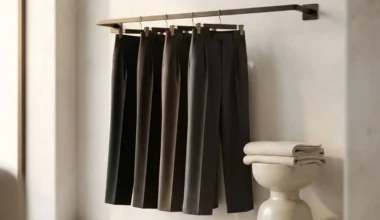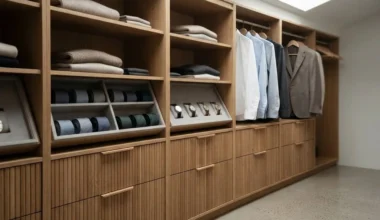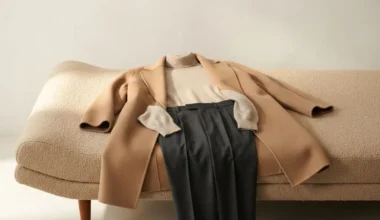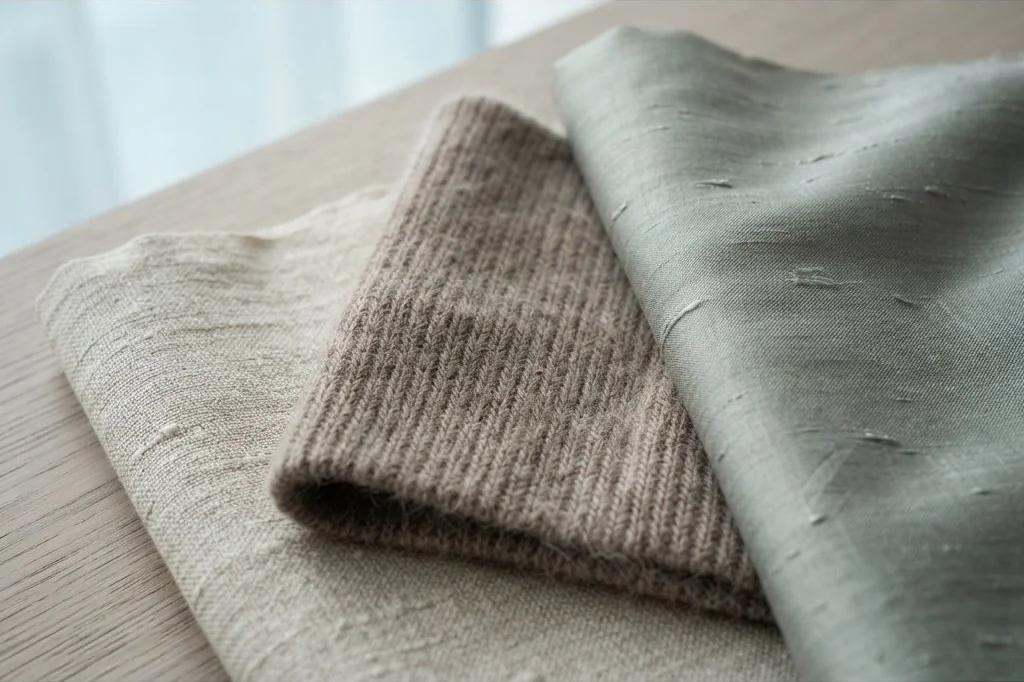
The true measure of a garment is not found in brand labels or transient runway styling; it resides in the cellular integrity of its fibers and the honesty of its construction. When building a minimalist wardrobe designed to endure for years, textile discernment becomes an essential skill. Synthetic polyesters and acrylic fast-fashion knits may mimic luxury on retail hangers, but they quickly pill, retain unpleasant odors, and lose structural memory. Curating a high-performing collection relies on understanding how natural protein and cellulose fibers perform over hundreds of wears. Learn more about our material philosophy and intentional design perspective at the Ornista architectural living archive.
Key Takeaways
- Long-staple fibers – such as GOTS organic cotton and long-strand flax linen – yield higher tensile strength and resist surface pilling over time.
- Worsted wool utilizes combed, aligned fibers for crisp, wrinkle-resistant tailoring, whereas woolen yarns provide insulating loft in knitwear.
- Checking internal craftsmanship – such as French seams, bound allowances, and genuine horn button shanks – identifies heirloom construction.
- Mulberry silk twill provides thermo-regulating breathability with a fluid, liquid drape that softens structured tailoring.
- Minimalist fabric care rituals, including boar-bristle brushing and cedar resting, preserve fiber lifespan without aggressive chemical cleaning.
The Anatomy of Fiber Length: Staple Versus Filament
All textiles originate as individual fibers twisted together into yarn. The physical length of these individual strands – known as staple length – determines the smoothness, strength, and durability of the finished cloth. Short-staple cotton fibers break easily under tension, causing microscopic frayed ends to migrate to the fabric surface where friction rolls them into unsightly fuzz balls known as pills.
In contrast, extra-long staple (ELS) cottons, such as Egyptian Giza, Pima, or certified organic Suvin, feature fibers exceeding 34 millimeters in length. When spun into yarn, fewer fiber ends remain exposed, producing a silky smooth hand, extraordinary tensile endurance, and rich color retention through dozens of wash cycles. For shirting and foundational tees, choosing long-staple cotton guarantees garments hold their shape year after year.

Decoding Wool: Worsted Suiting Versus Lofty Woolen Knits
Wool is arguably the most versatile natural fiber in a capsule wardrobe, yet different processing methods produce radically different performance characteristics. Understanding the mechanical distinction between worsted and woolen yarns allows you to select the correct fabric for every wardrobe application:
Worsted wool for tailored structure
Worsted wool undergoes an intensive combing process that removes short, unruly fibers, leaving only long, straight strands aligned parallel to each other. These combed fibers are tightly spun into compact, smooth yarns. The resulting cloth – such as tropical wool, gabardine, or hopsack – exhibits remarkable wrinkle recovery, sharp crease retention, and a smooth tactile finish that glides effortlessly over other layers.
Woolen yarns for thermal loft
Woolen yarns skip the intensive parallel combing stage, allowing shorter fibers to lie in crisscrossed, multi-directional configurations. When spun, these yarns trap millions of microscopic air pockets within their cellular structure, creating insulating thermal loft. Flannel trousers, tweed jackets, and chunky fisherman sweaters utilize woolen yarns to provide cozy warmth during cold weather. To see how these textures integrate into balanced outfits, consult our guide on capsule wardrobe color palette formulas.

Evaluating Seam Craftsmanship and Internal Hardware
High-grade fabric can be completely undermined by hasty garment construction. When evaluating potential capsule investments, turn the garment inside out to examine the hidden engineering of seams, facings, and closures:
Examine the raw edges of the fabric. Low-cost mass production relies on quick overlock surging stitches that can fray or unravel over time. Heirloom quality garments employ French seams (where raw edges are completely enclosed inside a double-stitched fold) or Hong Kong bound seams (where bias tape neatly encases raw seam allowances). Look for lock-stitched buttonholes and genuine horn, corozo nut, or mother-of-pearl buttons sewn with reinforced thread shanks that prevent direct stress on the fabric face.

The Sensory Luxury of Heavy Flax Linen and Mulberry Silk
Natural cellulose and protein fibers interact with light and human skin in ways that synthetics cannot duplicate. Pure Belgian or French flax linen, woven at a substantial weight of 240 to 300 gsm, possesses a crisp, architectural body that softens with every wash, developing a gentle patina without losing tensile structure.
Similarly, grade-6A mulberry silk twill provides year-round thermal modulation, cooling the skin in summer while insulating beneath wool in winter. As documented by design authorities at Architectural Digest, surrounding oneself with genuine organic textures deepens our daily tactile appreciation. In a minimalist wardrobe, an unbleached linen shirt or a sandwashed silk blouse acts as an organic counterpart to crisp tailoring.

Artisanal Selvedge Denim: Enduring Cotton Craftsmanship
Modern commercial jeans often contain substantial percentages of elastane or polyester to achieve instant stretch. However, synthetic stretch blends degrade rapidly under friction, resulting in sagging knees, broken fibers, and puckered seams. Authentic capsule denim relies on 100% cotton raw selvedge denim woven on traditional shuttle looms.
Shuttle looms weave a continuous crosswise yarn back and forth, creating tightly bound, self-finished edges (the “self-edge” or selvedge) that will never fray. Weighing between 13 and 14.5 ounces per square yard, raw denim initially feels stiff, but it gradually breaks in around the wearer’s unique contours over months of use. For complete inventory mapping, check our foundational breakdown in the 30-piece capsule wardrobe checklist.

Gentle Maintenance Rituals for Natural Fiber Longevity
Preserving natural fibers requires shifting away from aggressive modern washing machines and harsh chemical dry-cleaning. Natural wool, cashmere, and raw silk contain natural protective coatings – such as lanolin or sericin – that repel dust and moisture. Over-washing strips these beneficial proteins, causing fabrics to become brittle and dull.
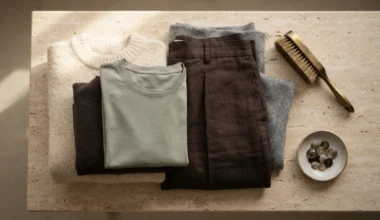
Instead, establish gentle care rituals. Use a natural boar-bristle clothes brush to sweep away particulate dust after each wear, and steam garments gently to relax creases and sanitize fibers. Storing knitwear folded flat with natural cedar blocks in well-ventilated drawers prevents moth damage and shoulder stretching. This mindful approach to maintenance mirrors our advice on caring for natural materials in homewares, such as our recommendations for tactile desk mats and leather accessories.

Frequently Asked Questions
How can I identify genuine 100% natural fiber garments when shopping?
Always inspect the interior care label for fiber composition, avoiding items with polyester, nylon, or acrylic blends. Natural fibers feel warm and breathable to the touch, and pulling a single loose thread and burning it produces a clean ash smell rather than a hard plastic bead.
Why is heavyweight linen preferred over lightweight linen in a capsule wardrobe?
Lightweight linen (under 160 gsm) wrinkles excessively into chaotic folds and can be semi-sheer. Heavyweight linen (240 to 300 gsm) maintains sculptural drape, resists tearing at stress points, and provides opaque, year-round durability.
What is the difference between two-ply and single-ply cashmere?
Single-ply cashmere consists of a single twisted strand of yarn, which is delicate and prone to pilling and holes. Two-ply cashmere twists two individual strands around each other in opposite directions, creating balanced tensile strength that prevents twisting and stretching.
How do I safely remove pills from fine wool and cashmere sweaters?
Use a solid brass or beechwood sweater comb gently across the fabric surface in a single direction. Avoid aggressive motorized rotary shavers, which can inadvertently cut structural yarn fibers and create irreversible holes.
Investing in exceptional natural fibers is an enduring commitment to craftsmanship, environmental stewardship, and everyday comfort. When garments are crafted from honest materials, they mature with grace, offering lasting tactile pleasure across the years.