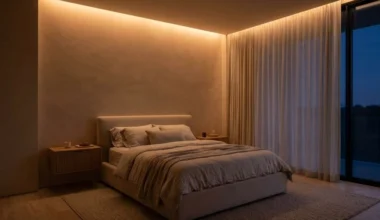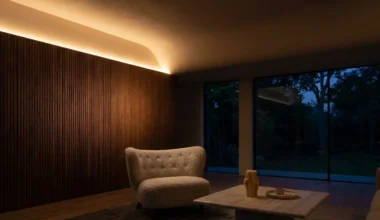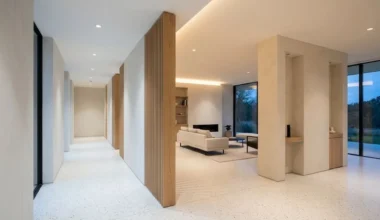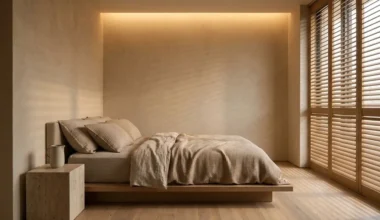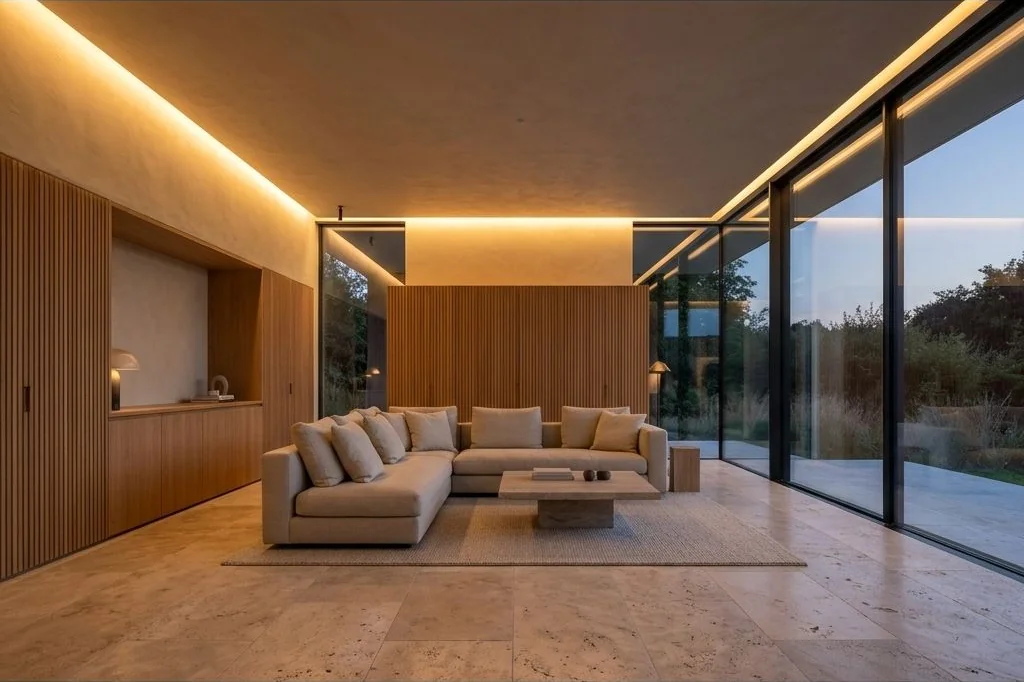
Modern residential design increasingly prioritizes sensory wellness alongside spatial geometry. While minimalist architecture emphasizes clean lines, balanced proportions, and authentic raw materials, static interior illumination often works against human biology. Traditional lighting systems lock homes into a single color temperature – often harsh cool white or flat artificial yellow – throughout the entire day. Introducing circadian rhythm lighting automation synchronizes indoor environments with natural solar progression, supporting hormonal equilibrium, sustained mental focus, and restorative evening transitions. Explore intentional living principles at the Ornista curated living studio.
Key Takeaways
Essential principles for engineering dynamic color temperature schedules in architectural spaces:
- Biological clock systems rely on shifting spectra to regulate cortisol secretion during mornings and melatonin production at dusk.
- Dynamic Kelvin curves transition smoothly from 2700K morning warmth up to 5000K crisp daylight at solar noon, before dropping to 2000K amber after sunset.
- Indirect architectural coves and wall-wash channels minimize direct glare while optimizing melanopic lux exposure.
- High Color Rendering Index LED modules preserve tactile material fidelity across lime-wash, travertine, and fluted oak finishes.
- Local automation controllers guarantee transition schedules continue without reliance on external cloud services.
Understanding the Biological Impact of Domestic Lighting
The human neurological system evolved under the dynamic arc of natural sunlight. For hundreds of millennia, our internal biological pacemaker – the suprachiasmatic nucleus located within the hypothalamus – relied on environmental light cues to maintain twenty-four-hour physiological rhythms. The discovery of intrinsically photosensitive retinal ganglion cells demonstrated that the eye contains photoreceptors dedicated specifically to non-visual biological signaling rather than image formation.
These specialized retinal sensors exhibit peak sensitivity to short-wavelength blue light, roughly between 460 and 490 nanometers. When morning sunlight floods the retina with cool, high-energy wavelengths, neural pathways signal the adrenal glands to release cortisol, raising body temperature, alertness, and metabolic activity. Conversely, as natural daylight fades into warm amber hues, blue light deprivation prompts the pineal gland to synthesize melatonin, initiating cellular repair and sleep preparation, as documented in circadian rhythm biology.
In conventional homes, overhead fixtures emitting static 4000K light late into the evening suppress melatonin production by upwards of fifty percent. Conversely, dim amber bulbs in home offices induce sluggish cognitive processing during peak working hours. Dynamic spectrum scheduling resolves this fundamental architectural disconnect.
Architectural Kelvin Schedules Across the Solar Day
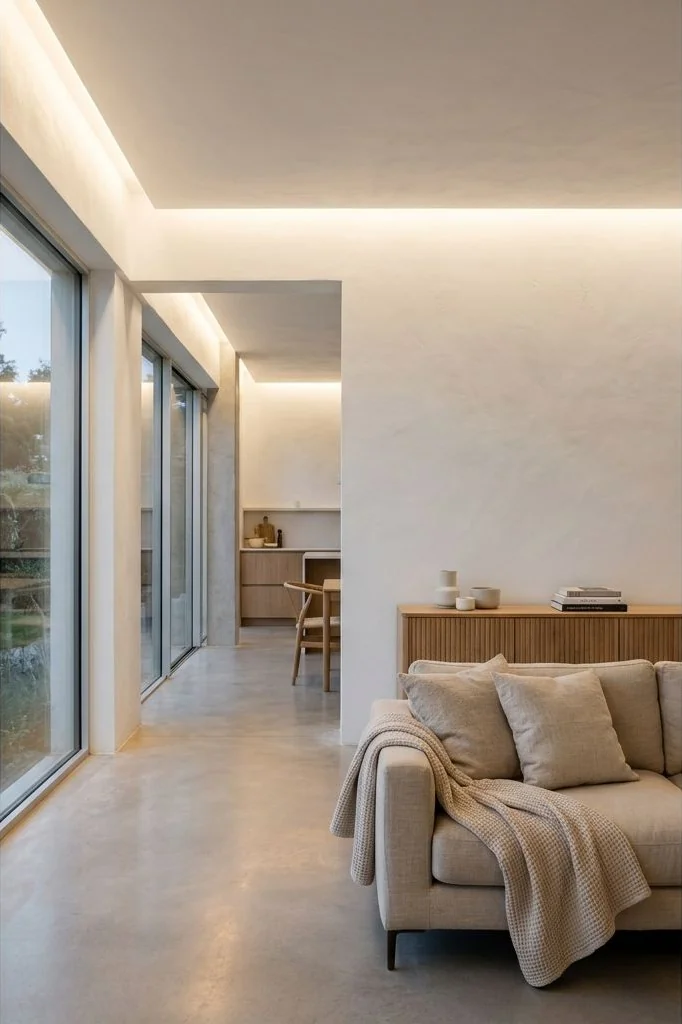
Implementing effective spectrum automation requires mapping specific Correlated Color Temperature values to distinct phases of the day. Rather than abrupt stepped changes that jar the senses, modern systems utilize continuous cosine mathematical curves to transition imperceptibly across twenty-four hours.
Dawn begins with a thirty-minute gentle ramp starting at 2200K and thirty percent intensity, gradually brightening to 2700K by breakfast. As morning progresses, the automated schedule shifts the spectrum to 3500K, establishing an active environment suitable for creative work and daily administration. Between eleven in the morning and two in the afternoon, the system reaches solar zenith at 4500K to 5000K, mirroring natural sky conditions and sustaining sharp mental clarity.
After mid-afternoon, the schedule gently reverses. By late afternoon, color temperature cools down to 3000K. At sunset, the fixtures settle into a rich 2400K ambient glow. In the final two hours before sleep, primary overhead channels deactivate completely, leaving only low-level indirect perimeter strips operating at 1800K to 2000K at ten percent brightness. This programmatic cadence respects evolutionary physiology without demanding manual user intervention.

Spatial Integration and Indirect Architectural Channels
Hardware placement dictates whether circadian automation feels harsh or restorative. Placing high-output tunable downlights directly above seating areas creates visual glare and unpleasant harsh shadowing. High-end architectural interiors rely primarily on indirect surfaces – ceilings, vertical lime-washed walls, and architectural joinery – as giant optical reflectors that diffuse illumination evenly across the room volume.
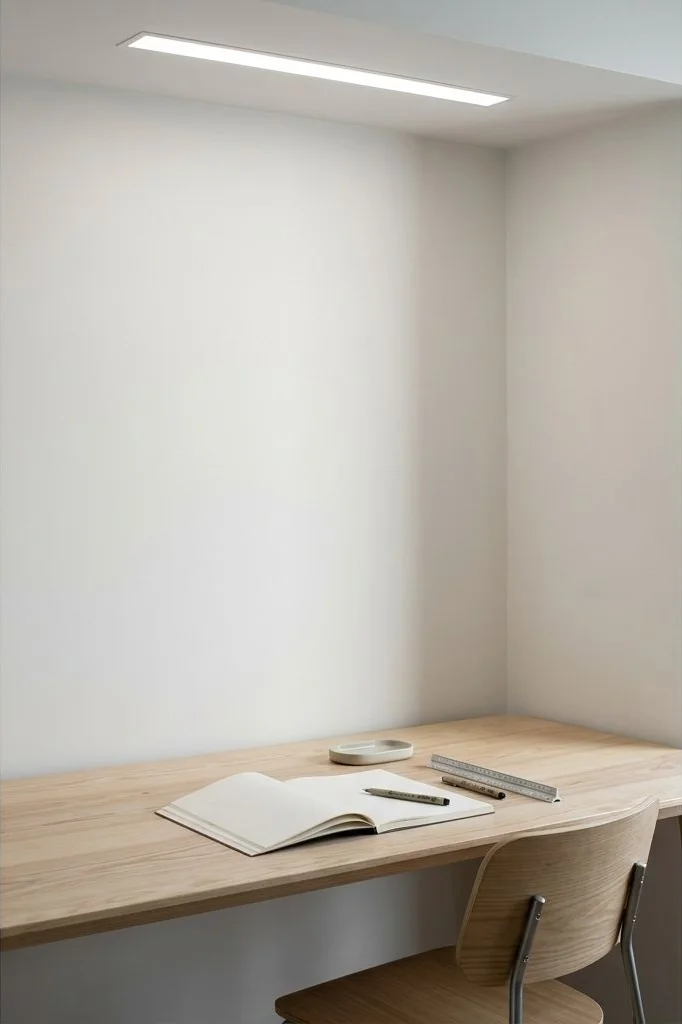
Perimeter knife-edge ceiling coves conceal continuous linear LED tapes, throwing illumination upward against matte plaster surfaces. This geometry replicates the natural hemisphere of the sky, delivering broad vertical illuminance to the eyes without exposing bare diodes. For dedicated desk environments and reading alcoves, combine ambient coves with targeted task fixtures featuring local dimming knobs. For holistic home office ergonomics, consult our guide to Scandinavian solid timber workstation configurations.
Tactile Materiality and High-CRI LED Selection
When selecting tunable white lighting hardware, spectrum flexibility alone is insufficient; chromatic fidelity is equally essential. Standard commercial LEDs frequently possess low Color Rendering Index ratings, resulting in sickly greenish tints or washed-out organic wood finishes. Discerning residential installations require LED chipsets with a minimum CRI of 95 and an R9 saturated red rating exceeding 90.
Natural materials such as honed Roman travertine, oiled European white oak, and slubby Belgian linen react dramatically to light spectrum quality. Under high-CRI 2700K illumination, natural wood grains exhibit warm, honeyed depths, while lime-wash textures cast delicate, velvety gradients. As the system shifts toward 4500K during midday, neutral stone surfaces appear crisp, cool, and architectural, accentuating spatial purity without color distortion.
Hardware Protocols and Local Automation Architectures
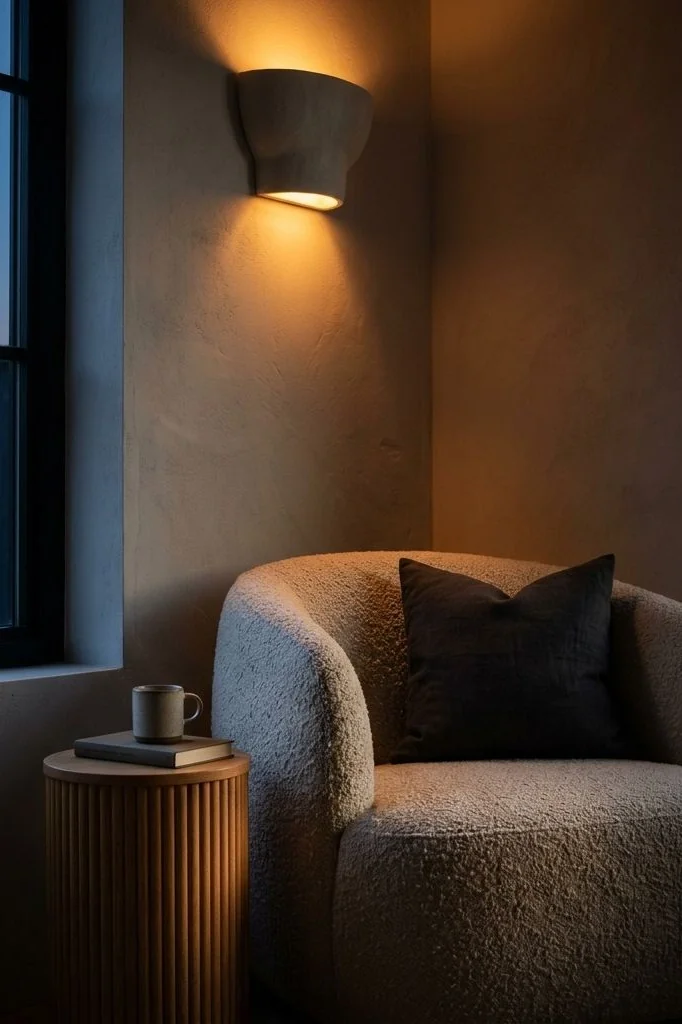
A dependable circadian lighting network must function autonomously without latency or cloud dependence. Home automation frameworks built on local wireless mesh protocols – specifically Zigbee 3.0 and Thread through Matter standards – ensure that color temperature commands execute simultaneously across dozens of fixtures without noticeable popcorn delays.
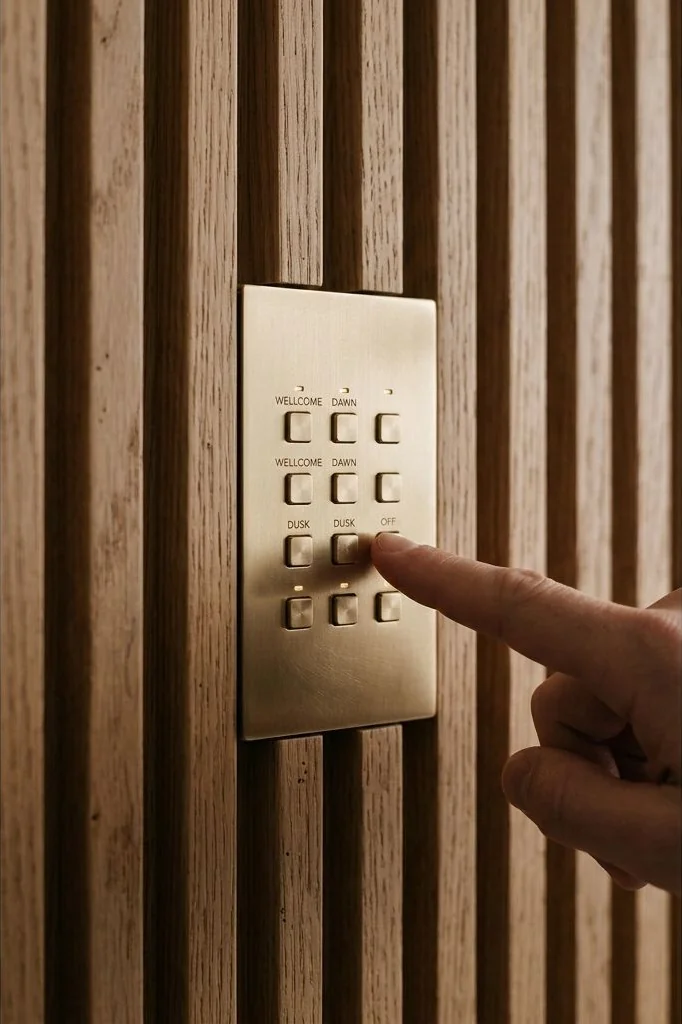
By hosting automation logic on a localized smart home server or dedicated controller, transition fades occur smoothly over ten to fifteen-minute steps. If residential broadband experiences an outage, internal clocks maintain solar position calculations based on geographical latitude and longitude coordinates. Flush-mounted tactile wall keypads allow family members to temporarily override scenes for dining, reading, or entertainment without breaking the broader scheduled rhythm.
Evening Pathway Lighting and Nocturnal Protection
A comprehensive lighting architecture must account for midnight movements without shattering sleep architecture. When an individual wakes to get water or check on family members, standard overhead lighting abruptly shocks dark-adapted eyes, flooding the brain with alert signals that inhibit rapid return to deep sleep.
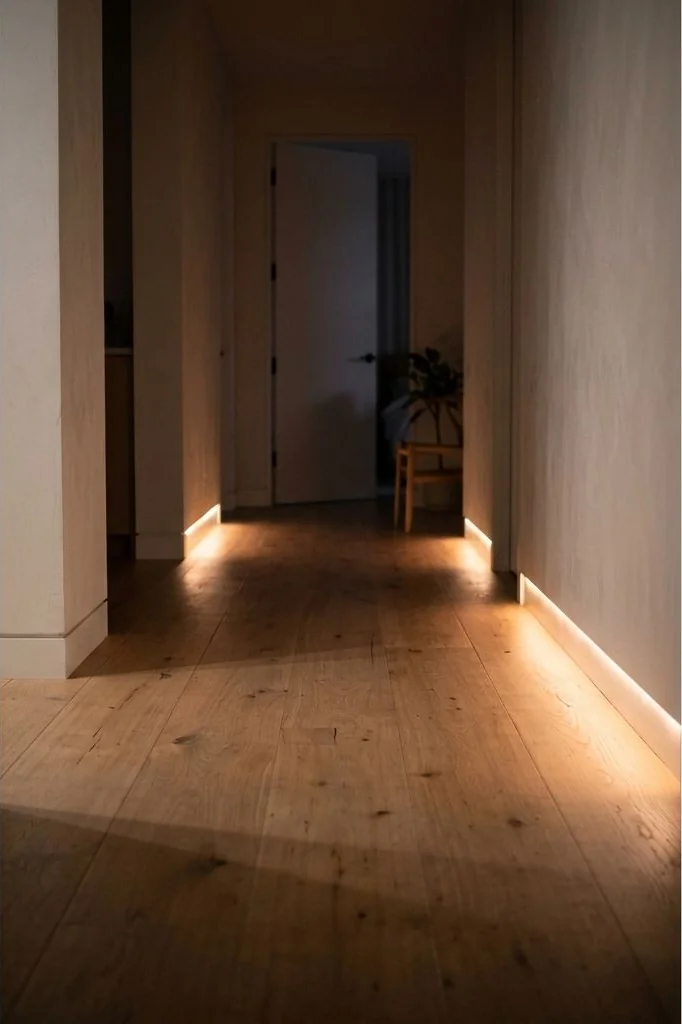
Incorporate low-level architectural night lighting integrated into baseboards, under floating vanities, and beneath platform bed frames. When motion sensors detect movement between midnight and dawn, these fixtures illuminate at less than five lux, utilizing deep amber 1800K light completely devoid of blue wavelengths. This subtle pathfinding glow provides functional navigation without disrupting circadian sleep cycles. Review our framework for evening digital sunsets and calm bedtime detachment to complete your nightly routine.
Frequently Asked Questions
What is the difference between dimming brightness and circadian color tuning?
Standard dimming merely lowers the electrical output of a light bulb without changing its spectral makeup. A cool 4000K bulb dimmed to ten percent still emits short-wavelength blue photons that stimulate retinal ganglion cells. Circadian color tuning actively changes the Correlated Color Temperature from cool blue-rich white to warm amber, altering the biological signaling of the light source.
Can tunable white lighting be retrofitted into existing residences?
Yes. Wireless smart bulbs and localized micro-relays can replace standard light bulbs and switches without tearing into drywall. For architectural linear cove details, retrofit low-profile aluminum channels behind existing crown moldings or credenzas to achieve indirect lighting effects.
Does circadian lighting increase household electricity consumption?
No. High-efficiency modern LED strip lights and downlights consume minimal wattage. Because circadian schedules keep illumination dimmed during early morning and late evening hours, overall daily energy usage is frequently lower than static lighting kept at full output.
How long does it take for human sleep patterns to adapt to automated circadian lighting?
Most individuals report noticeable improvements in evening sleep latency and morning alertness within seven to ten days of consistent exposure to automated circadian lighting schedules.
Aligning Domestic Spaces with Evolutionary Rhythms
By transforming static interior illumination into a living, responsive ecosystem of light, modern homes bridge the gap between architectural elegance and biological wellbeing. Automated Kelvin schedules honor our evolutionary heritage, providing invigorating clarity when work demands focus, and embracing the home in restorative warmth when evening calls for peace. To structure your daily creative habits around natural physical rhythms, examine our companion guide on time blocking architecture and ultradian focus cycles.
Disclaimer: Architectural lighting design recommendations and circadian science references presented in this article are intended for general residential educational purposes. Individuals with clinical sleep disorders or chronic circadian disruptions should consult licensed medical professionals.